- First documented
- Middle Ages
- Fiber
- silk
- Weave
- weft-faced compound twill, often brocaded with gold
- Family
- motifs
Plate No. 168 · fabric
Samite
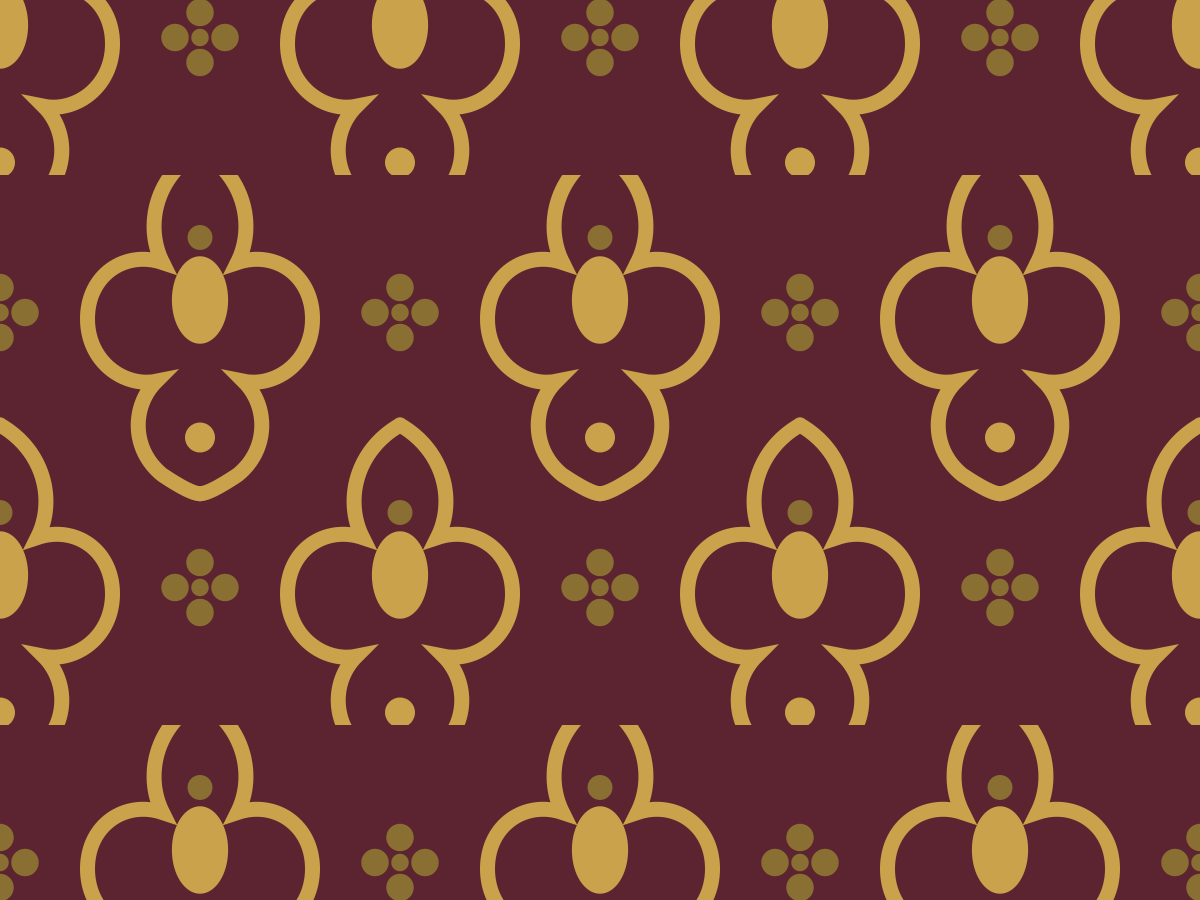
Samite is a heavy, lustrous silk woven as a weft-faced compound twill, most often brocaded with gold or silver thread. It was the most prestigious cloth of the Byzantine and medieval European courts, reserved for imperial robes, church vestments, and the wrappings of relics. Much of it was woven in the imperial workshops of Constantinople and later in Sicily and Italy, and it traveled west along the same routes as spice and incense. The name survives in older translations of romance and scripture, where kings and altars are dressed in samite, long after the cloth itself fell out of use.
Named for
From the Old French samit, from medieval Latin examitum, from Byzantine Greek hexamiton, six threads, a reference to the cloth's six-thread compound weave.
Also known as
examitum, hexamiton
Modern equivalent
The closest cloth in this catalogue you can source today.
From the journal
Sources & References
- 1.Samite, Wikipedia
- 2.samite, Online Etymology Dictionary
- 3.Sogdian Textiles along the Silk Road, Smithsonian, The Sogdians