Plate No. 040fabric
The natural unbleached color of the fiber.
- First documented
- Antiquity
- Origin
- Fertile Crescent, Egypt
- Fiber
- linen
- Weave
- plain weave
- Family
- plain
Plate No. 040 · fabric
Linen
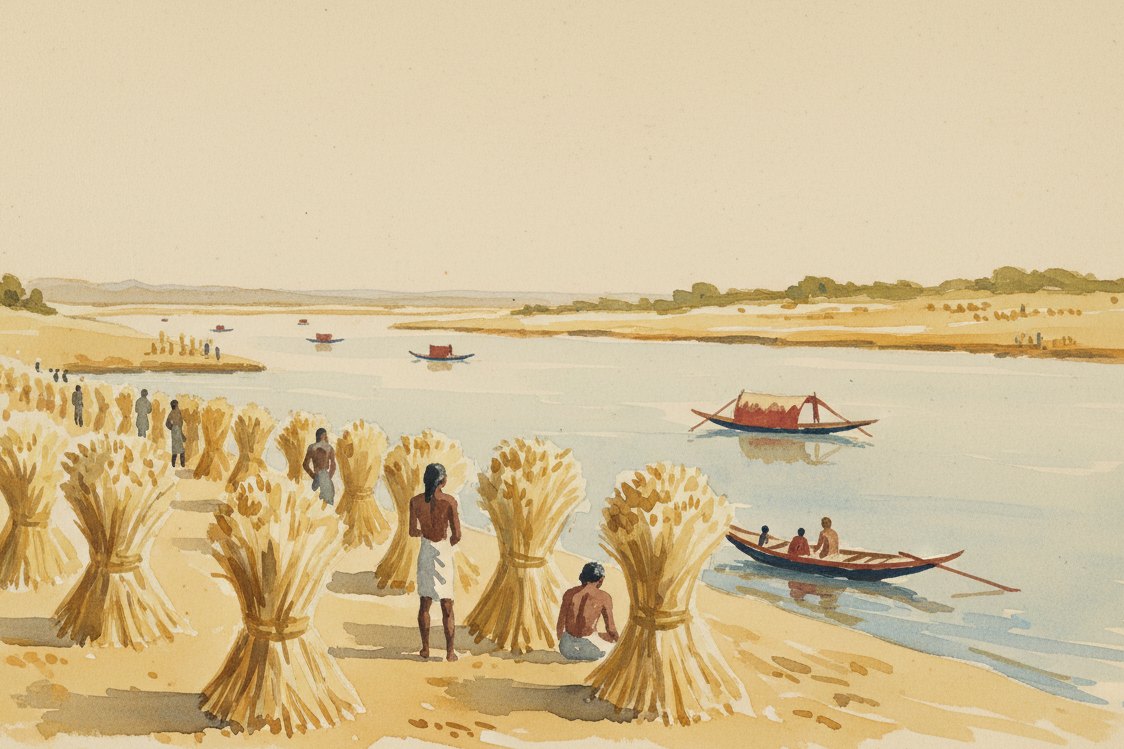
Linen is cloth woven from the fibers of the flax plant, and it is among the oldest textiles in the world. Egypt made it the fabric of priests and of mummy wrappings, prizing the cool, dry hand that still defines it. Flax fibers are hollow and stiff, which is why linen sheds heat, dries quickly, and creases instantly and permanently into the rumple that is now considered part of its charm. The slubs, small thickenings along the yarn, are natural to the fiber and show in the cloth.
Named for
From the Latin linum and Greek linon, the flax plant itself. The word lives on in line, lining, and lingerie.
In the record
- c. 3000 BCEgyptian weavers were producing fine linen for priestly garments and burial wrappings.